What Is Blood Pressure and Why Does It Matter?
- By: Powers Health
- Last Updated: August 20, 2026





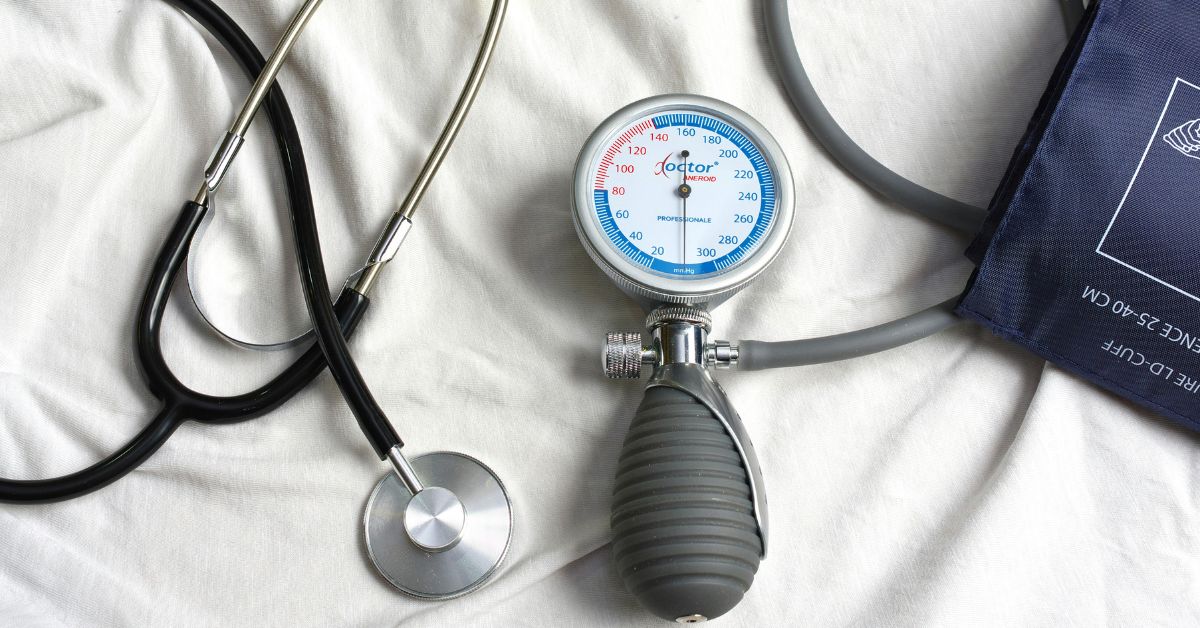
Blood pressure is the force of blood pushing against the walls of your arteries as your heart pumps. It’s measured with two numbers: systolic (top), the pressure when your heart beats, and diastolic (bottom), the pressure when it rests. A normal blood pressure reading is about 120/80 mm Hg.
High blood pressure, or hypertension, occurs when blood flows through your arteries at a consistently higher-than normal pressure. This condition affects about one in three adults and significantly increases the risk of heart disease, stroke, kidney damage, and more. Known as the “silent killer,” hypertension often shows no symptoms until severe complications arise, highlighting the importance of regular monitoring.
Hypertension can lead to hardened and narrowed arteries (atherosclerosis), raising the risk of heart attack and stroke. It also forces the heart to work harder, potentially leading to heart failure. Other possible complications include kidney damage, eye problems and reduced quality of life.
The good news is that many strategies for lowering blood pressure involve simple lifestyle changes:
Monitor your blood pressure regularly and consult a healthcare provider if levels are elevated. By making manageable lifestyle changes, you can lower your risk and protect your health.
