Navigating funeral etiquette with Bartholomew Funeral Home

- By: Salem Billings
- Last Updated: July 24, 2026





An unfortunate part of life is to experience loss. Though it may be difficult to face, it’s important to be ready for the inevitable. While no amount of planning may be able to prepare you emotionally, knowing what to expect when you walk into a memorial service may ease your mind when the day comes.
Services differ from family to family, but Kyle Newhard, office manager at Bartholomew Funeral Home, has some advice to offer attendees.
Services are most commonly called a funeral, or a celebration of life, but some may have also heard the terms “wake” or “visitation” as well. According to Newhard, these terms are interchangeable.
For some families, a wake may be held before the funeral as a more casual gathering, while the funeral is a formal setting. When it comes to preparing for the memorial service, the best bet is to keep an eye out for what the family would like. A good way to do that is to seek out the obituary.
While obituaries in newspapers aren’t very common anymore, they can still be found online and exported to other sites — so if you don’t know which funeral home will be used, there should still be no trouble finding it by simply searching for the departed’s first and last name, alongside what city and state they lived in. Where and when the service will be is typically written at the bottom of the obituary, as well as any specific information, such as what to wear.
Memorial services aren’t always formal. According to Newhard, trends have varied greatly over the years, and wearing a suit and tie might make you stand out.
“We have some families who say, ‘Our loved one that passed away was a big Jimmy Buffett fan, everybody should wear their Hawaiian shirts.’” Newhard said. “It depends from person to person.”
Keeping an eye out for the family’s wishes might save you some trouble, but if you don’t see any specific instructions, Newhard advises dressing business casual and staying away from anything too colorful. A nice pair of slacks, a button down, or a skirt if you prefer is typically a good way to go.
As for sending flowers — where to, what kind, or even how — the obituary also might clarify on this matter.
“Something that we see becoming more and more standard is people saying that flowers are unnecessary. They don’t want to deal with dying plants or the logistics of moving it all,” Newhard said. “They say in lieu of flowers, why don’t people just bring a donation to whatever organization the deceased was a part of? Maybe they suffered from cancer, so bring donations for the American Cancer Society.”
Not only are some families looking for donations nowadays, but flowers can sometimes be a hassle. The grieving families might not know what to do with the flowers, or they might not have enough space or hands to handle the plants. A donation to a society or cause relevant to the deceased is not only a thoughtful way to remember them but considerate of their loved ones as well.
Of course, this also varies. If you find that flowers are the way to go, trust your instincts. While each funeral home, church, or hall can differ, Newhard suggests going directly to the nearest florist, as the building holding the service often will be doing so themselves.
With an outfit planned and flowers, a donation, or perhaps something else requested by the family ready, the next step is being prepared to attend the service itself. When an attendee knows what to expect, it can make a difficult day feel less daunting.
Each service is different. Newhard stresses the importance of planning ahead to visitors and warns that there is no exact answer of what to expect.
“You have some families that are much more reserved. Things might be more of what you would expect out of a funeral or something somber,” he said. “Then, you might have some families that are outgoing, energetic and laid back, and it might be more relaxed.”
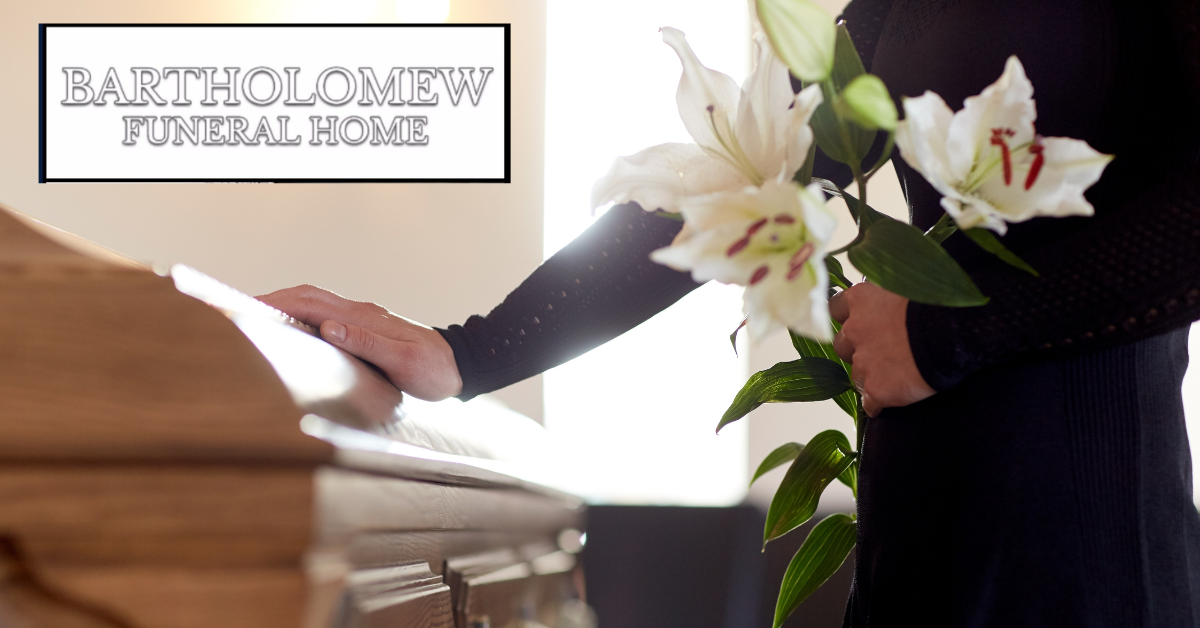
With the assumption that you’re familiar with the deceased’s loved ones, the first few moments you step into the door of a typical service will have a sign-in or register book for you to let the family know you were there. Once you’ve signed, you may pay your respects to the remains of the deceased and chat with family.
“Some families might just want to get things over with. They might want you to come up, say, ‘I’m sorry, if you need anything, let me know,’ and then move along,” said Newhard. “Some families will want to sit and hear all your stories about their loved one. There’s not any real right answer.”
Newhard’s best piece of advice? Try to read the room and follow along.
“If loved ones are a little bit short with you, it’s nothing personal. Some people want the day over with,” Newhard said.
At the same time, if loved ones are receptive to sharing stories, chatting, and reminiscing, feel free to share your own memories. What’s most important is that the loved ones know you were there and cared enough about the recently deceased to pay your respects.
Ultimately, there is no one way to prepare for a service. It will differ from family to family, and some people may even defy your expectations; grief is a complicated experience, and no one size fits all. Reading the obituary, having a story ready, and most importantly, seeking to pay respects and receive closure should be the ultimate goal.
For more information on Bartholomew Funeral Home, you can visit bartholomewnewhard.com.
