Midwest Center for Youth and Families maintains Joint Accreditation status with safety standards

- By: Salem Billings
- Last Updated: October 27, 2026


For some, mental health struggles arise in early childhood. Mental health is just as critical to well-being as physical health, and if left untreated, the journey ahead can be full of complications. Luckily for Hoosiers in the Region, the Midwest Center for Youth and Families is available to bring hope and healing to youth through innovative residential treatments.
With compassion, dedication, and expertise, the team at the Midwest Center walks alongside each child and family, aiming to help build brighter futures and stronger communities.
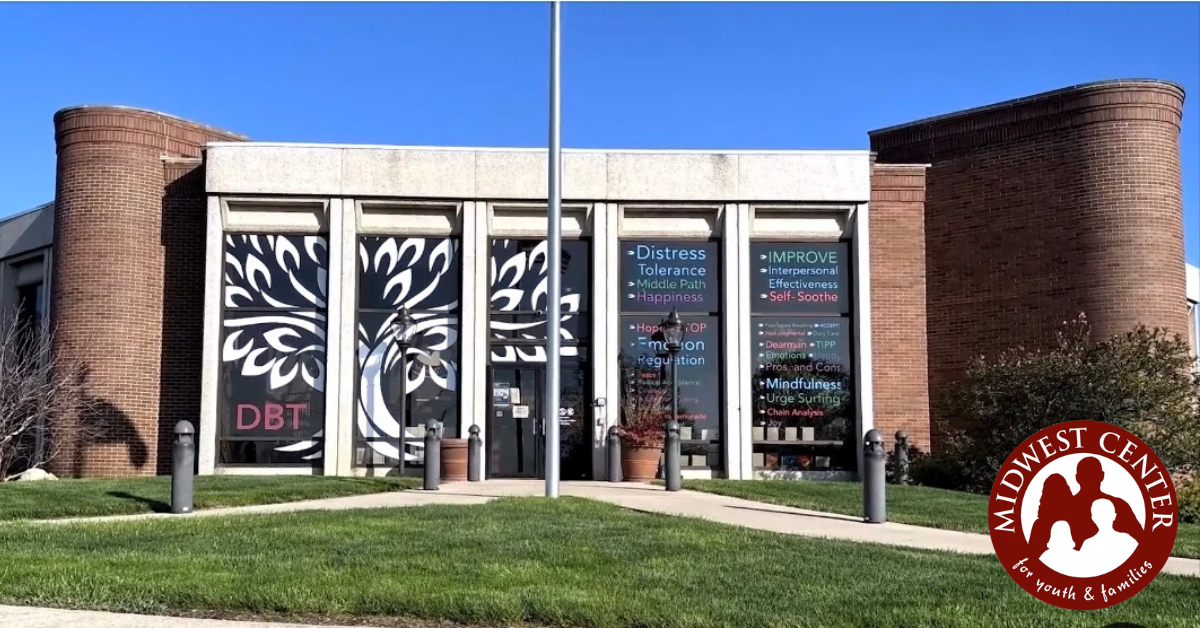
The Midwest Center for Youth and Families is a residential mental health facility that treats adolescents with mental health issues, ranging from ages 10 to 18. There, the facility uses Dialectical Behavioral Therapy (DBT) to help residents manage intense emotions, build healthier relationships, and reduce harmful or impulsive behaviors.
“Our residents live at the facility and get group, individual, and family therapy. Our residents struggle with mood disorders such as Major Depressive, Borderline Personality traits, Bipolar, generalized anxiety, and PTSD,” said Rhiannon Robertson, executive assistant to the chief executive officer. “We also have a Cognia accredited school on campus where residents attend on the weekdays.”
With residents living at the facility, maintaining safety for both patients and staff is critical. The Midwest Center is dedicated to upholding national standards for safety, quality, and continuous improvement. Part of its mission to uphold these standards comes with accreditation from the Joint Commission.
The Joint Commission, an independent, nonprofit organization that accredits and certifies healthcare organizations and programs in the United States. The Joint Commission holds an accreditation that evaluates how organizations measure, assess, and improve performance in order to provide safe, high quality care for their patients.
Becoming accredited is a voluntary procedure, and one the Midwest Center is proud to have initiated. Once an application has been submitted, the Joint Commission then performs a formal evaluation. The evaluation measures whether a facility meets nationally recognized standards for safety, quality, and continuous improvement. The Midwest Center gained accreditation in 2002, after a successful on site survey with Joint Commission surveyors.
To maintain accreditation, the Midwest Center must keep policies, procedures, documentation, and staff training to be up to date. The center must also maintain state licensing, which includes licensing from the Indiana Department of Child Services, fire safety permits, and permits with the Indiana Department of Health. The Joint Commission surveys the facility every three years to ensure it’s maintaining standards.
“They also require performance improvement measures such as tracking quality indicators, patient safety events, and outcome data,” Robertson said. “These are then used to analyze trends, identify root causes, and implement actions to continuously improve.”
The accreditation sets clear, evidence-based standards for the safety of the building: infection control, medication management, emergency preparedness, and leadership accountability.
If there are any gaps in the facility’s operations, the Joint Commission will require the center to monitor and address it; including providing quality and safety data, tracking any safety incidents, and using performance improvement to assess what needs improving.
“Midwest Center strives to make the environment as safe as possible with ligature resident furniture and bathrooms. Midwest identifies and responds to suicidal behaviors, uses medication carefully, and trains staff to deescalate situations with residents. Midwest staff prepare for emergencies and learn from incidents,” Robinson said.
Keeping everyone inside the facility safe is a top priority, and the Midwest Center is continuously improving safety protocols. The surrounding environment of care rounds are completed each shift, as well as by senior leadership on a weekly basis. During those rounds, Midwest Center staff is looking for ligature risks and any areas where a resident could cause themselves harm.
“Precautions are used to ensure staff know which residents are at a higher risk for suicide, self harm, elopement, acting out, or aggression,” Robinson said. “Midwest uses a Columbia Suicide risk assessment at least weekly on each resident.”
When it comes to individual safety among the patients, precautions are used to to ensure staff know which residents are at a higher risk for suicide, self harm, elopement, acting out, or aggression. Staff are trained in Handle with Care verbal de-escalation and physical restraints.
Safety events are also well documented and later reviewed via camera, and staff coaching is done if necessary. Senior leadership will then identify trends and work to improve outcomes. All staff are Trauma-Informed Care trained to support the residents’ trauma.
Training is the core of maintaining accreditation, keeping protocol running smoothly, and keeping everyone safe. When it comes to safety for everyone, it begins with the staff. A well trained, well prepared staff is an informed staff; one that can then, in turn, take care of the residents and help them thrive.
“Quarterly formal training is held with staff with behavioral health care updates, crisis response, de-escalation, safety procedures, and emergency protocols,” Robinson said. “Communication between shifts and handoff of the resident to the next staff member is also important to maintain staff safety.”
Meetings are also held at the beginning of each shift with the floor supervisor and staff to discuss any safety issues that occurred on the previous shift.
Each rule or required training comes from a place of compassion. Safety is key when it comes to keeping staff functioning smoothly — which in turn allows the residents to receive the care that will allow them to thrive. Through rigorous communication, documentation, training, and holding itself to high standards, the Midwest Center for Youth and Families is prepared to handle a wide variety of young residents in need of assistance.
To learn more about the Midwest Center for Youth and Families, visit its website at midwest-center.com.
