David Alan Grier: Finding the HUMAN Side of Healthcare
- By: Powers Health
- Last Updated: October 1, 2026






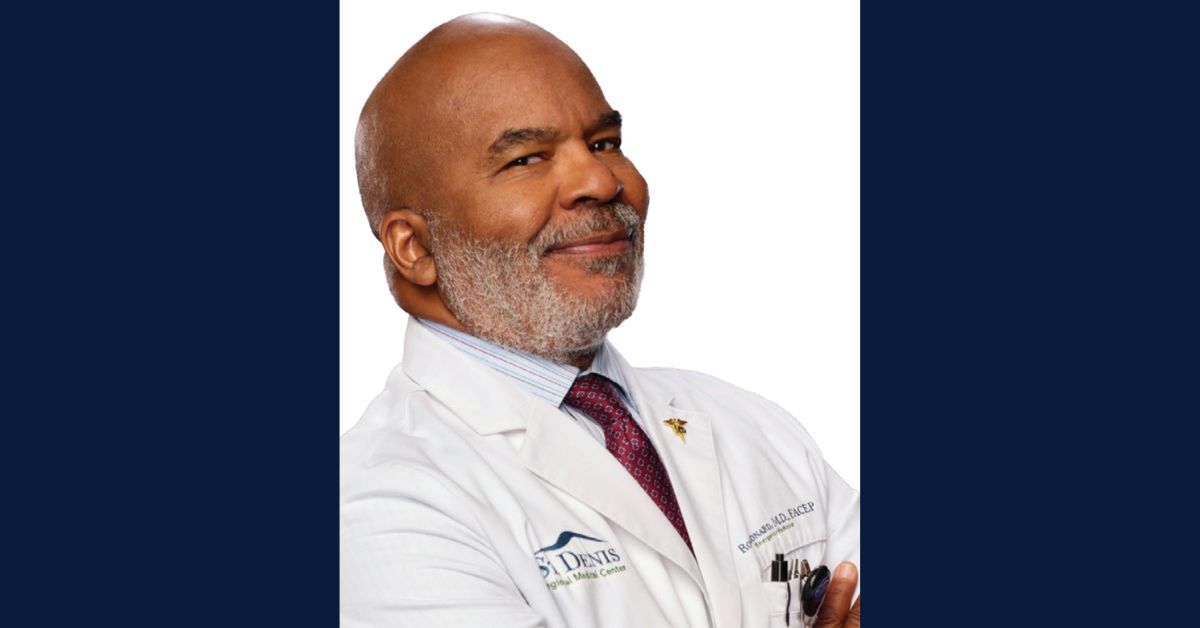
Hospitals are not usually the backdrop for comedy. They are places of urgency, responsibility and relentless decisionmaking. But for David Alan Grier, stepping into the role of Dr. Ron in NBC’s hit TV show St. Denis Medical is not about poking fun at medicine. It is about reflecting the reality of modern healthcare in a way that feels honest and deeply human.
“My father was a doctor,” Grier says. “He was a psychiatrist. So, when I read this character, there was something familiar there.”
That familiarity shaped his portrayal of a physician navigating the pressures that so many providers face today.
Dr. Ron works in a hospital that feels stretched thin, both financially and emotionally. Staffing shortages, administrative burdens and limited resources are not exaggerated for television. They are daily realities in many healthcare settings.
“There’s comedy in reality,” Grier explains. “Most hospitals are financially stretched. So, it’s just playing what really would be happening in a hospital setting.”
For Grier, the appeal was not just the humor but the authenticity. Dr. Ron is talented and experienced, but he also is worn down by the system around him. That balance mirrors the experience of many physicians who entered medicine to care for patients but now spend increasing amounts of time navigating paperwork and operational demands.
Grier recalls a documentary about a physician who returned to his own neighborhood to open a clinic for underserved families.
“He wanted to practice medicine,” Grier says. “But, day by day, he spent less time with patients and more time filling out forms and dealing with insurance.”
That tension resonates strongly in today’s healthcare landscape. Physicians often find themselves balancing clinical care with documentation requirements, reimbursement systems and administrative oversight. The result can be frustration, fatigue and burnout.
There is a clear thread of that reality in Dr. Ron.
“He’s a really talented doctor,” Grier says. “He sees himself in some of the younger staff, especially Alex. She has a family and she’s excellent at her job. But the job takes too much of her time.”
Dr. Ron recognizes the cost of that imbalance. He sacrificed his personal life for his career and now attempts to mentor others so they can avoid the same outcome. The show does not ignore burnout. It brings it to the surface in a way that feels relatable rather than clinical.
Healthcare is serious work. Lives are on the line, but humor always has been part of hospital culture.
“It’s human nature,” Grier says. “I don’t care what your job is. People are going to find humor because it’s what we do.”
Within high stress environments, humor becomes a coping mechanism. It builds camaraderie among staff and provides relief during long shifts. In many ways, it is part of resilience.
“Sometimes you’re thinking something at work that you can’t say,” Grier adds. “We’re voicing that stuff.”
The show captures the inner thoughts that healthcare professionals may recognize but rarely express openly. It sheds light on access to care, staffing strain and patient trust without losing compassion for those working within the system.
Healthcare professionals have been quick to weigh in on the show’s realism.
“We got a message from someone in healthcare who said, ‘We love the show. It’s so real. You’re hitting all the right notes,’” Grier says.
The viewer’s only complaint was about the stethoscopes being too expensive for most hospitals to afford.
“That’s healthcare nerd stuff,” Grier laughs. “But it shows they’re paying attention.”
That level of scrutiny is a compliment. It signals that the series is resonating with those who understand the intricacies of clinical life.
In many community hospitals, relationships between providers and patients span years. While Dr. Ron’s long-term patient continuity has not yet been fully explored, the show highlights another enduring relationship: the physician’s bond with the institution itself.
“The longest relationship he probably has is with the hospital,” Grier says. “It’s dysfunctional. It’s complicated. But it’s loyal.”
Healthcare providers often form deep attachments to the organizations they serve, even when systems are imperfect. That loyalty can coexist with frustration. It is a complex dynamic the show portrays with nuance.
Grier is clear about his hope.
“I hope they laugh hard and laugh long,” he says. “But I hope those laughs are earned.”
For physicians, nurses and hospital staff, the show offers something beyond entertainment. It offers recognition.
“They deal with burnout. They deal with paperwork. They deal with all of it,” he says. “If they can watch and feel seen, that matters.”
St. Denis Medical does not minimize the challenges facing healthcare. Instead, it acknowledges them through storytelling that balances humor with empathy. It reminds audiences that behind every chart and diagnosis is a person navigating the same pressures and imperfections as everyone else.
In the end, Grier believes the show does two things at once. It entertains and it honors.
“It reminds you that you’re human,” he says.
In healthcare, that reminder may be more important than ever.
