Tips and tricks for summer tick protection


- By: Sarah Corn
- Last Updated: August 2, 2019






With summer’s end in sight, many flock to the Region’s beautiful woods and plains, taking advantage of the weather for as long as they can.
But nature lovers aren’t the only creatures filling the wildlands during warmer months. This year especially, entomologists have noted a significant rise in tick populations around the country, including Northwest Indiana. More ticks mean a higher possibility of tick bites and related illness.
The good news is that a little bit of knowledge and an ounce or two of prevention goes a long way when it comes to keeping outdoor adventurers safe and healthy.
What do they look like
There are three different types of ticks commonly found in Northwest Indiana— the American Dog Tick, the Lonestar Tick, and the Blacklegged Tick.
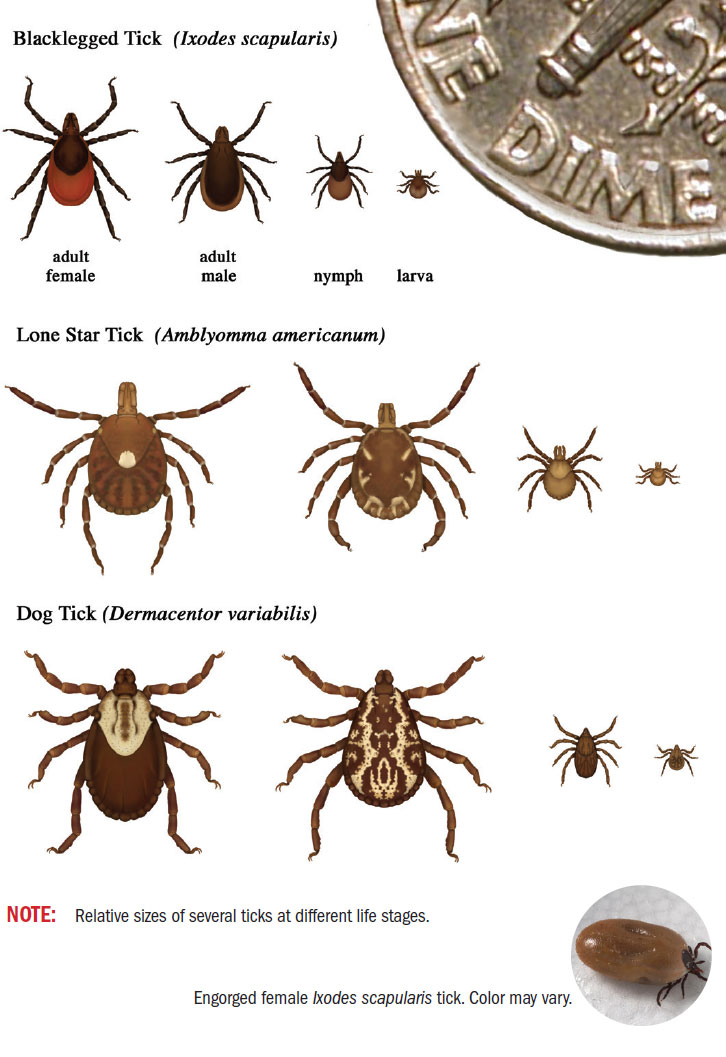
The most frequent and easiest to identify is the American Dog Tick. Their big brown or dark grey bodies move relatively slowly, making them stand out keenly on sight or to the touch. While they prefer sinking their mouths into smaller mammals (like dogs), the adult ticks are not opposed to a human-sized snack.
The next-largest population is the mostly-brown Lonestar Tick, so named for the bright white dot sported by adult females. Though their bodies are only slightly smaller than American Dog Ticks, they have much larger mouths that create much bigger bites. Aggressive and indiscriminate, the Lonestar tick frequently bites people in addition to other animals.
Finally, the ticks smallest in both size and population are the dark brown Blacklegged Tick. A common vector for Lyme disease, they prefer four-legged mammals like mice and deer, but will not turn down a two-legged human if the opportunity presents itself.
Protecting yourself and your pets from bites
Humans can easily reduce the likelihood of picking up tick hitchhikers while out and about with a smart wardrobe, some forethought, and a little aftercare.
For pets, protection works best with regular vet visits and owner diligence.
Checking for ticks and treating bites
After you, your children, or your pets spend any time in the woods or wild grassy fields, it’s a good idea to give bodies a once-over to check for ticks and tick bites.
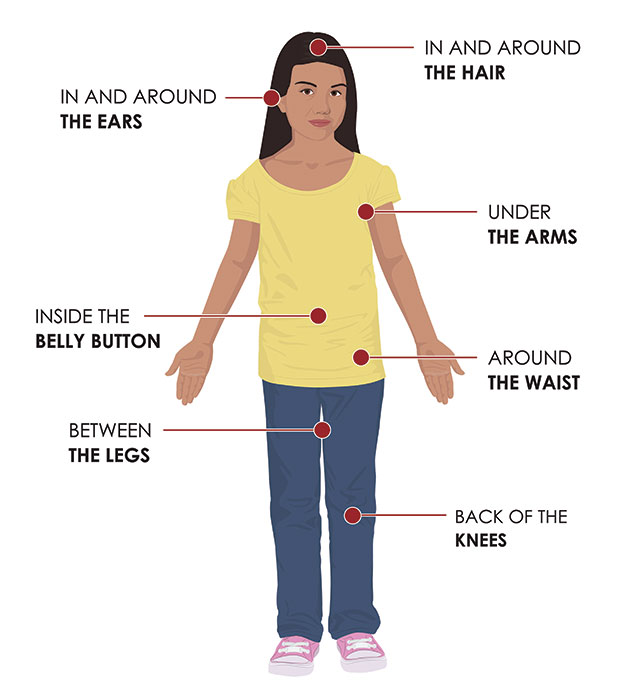
Spots to check on humans include:

Spots to check on pets include:
If you find a tick, don’t panic! Just follow these steps to remove it as quickly and cleanly as possible.
Disposing of ticks can be tricky because of their tough bodies and the possibility of disease. It’s important to do so correctly to avoid skin contamination and make sure they are dead.
Afterwards, keep an eye out for symptoms for the following few weeks. Rashes around the bite area and high fevers are markers of each of the three common tick-borne diseases in Indiana: Lyme, Mountain Spotted Fever, and Ehrlichiosis.
The CDC provides a convenient Tick Bite Guide with instructional images and a complete list of symptoms to watch for. It also answers frequently asked questions about tick-borne germs and infections.
The bottom line is this— don’t let a fear of ticks keep you and your pet from enjoying a summer walk in the woods or a campout with friends. A little bit of foresight is all it takes to keep everyone protected and passenger-free.