Survivor Series: Pamela Davenport
- By: Samantha Marino
- Last Updated: March 25, 2026




Being vocal about women’s health wasn’t always the norm. For Pamela Davenport, it became a mission shaped by survival, resilience, and a determination to make sure other women never feel as alone or uninformed as she once did.
Davenport was just 34 years old when she was diagnosed with breast cancer in 1996 — only six months after her family buried an aunt who had also battled the disease. At the time, she was raising young children and trying to maintain normalcy while navigating fear, grief, and uncertainty.
Her cancer was caught early by a fluke. The tumor was so small it didn’t show up on a mammogram, but because of her family history, she chose to have it removed.
“Back then, women didn’t talk a whole lot about things. When I was diagnosed, I couldn’t tell my doctors everything because my aunt never even told my mom or any of my other aunts of what she had. I had nothing to compare mine to,” she said.
The emotional weight of her diagnosis was intensified by recent loss. Davenport wrestled with grief while trying to understand why she survived when so many loved ones facing similar battles did not.
“I always wonder ‘What’s my purpose? Why am I still here when I buried a lot of friends and family with the same issues?’ It was very scary for me to get diagnosed six months after I had buried my aunt, who had just passed her five year survival mark,” she said.
A lifelong Lowell and Cedar Lake resident, Davenport worked throughout treatment and recovery. She ran a high-speed slitter at a coated film company for 27 years, the majority of which she battled lymphedema in her arm. Davenport never wanted special treatment; she even remembers having a better attendance record than her coworkers. Her perseverance through physical discomfort and daily challenges was a testament to her strength. Her children, parents, and siblings were among her biggest supporters during that time.
“As the medicine was going in, I would talk to it and tell it to go in there and do its job. They have to give it the attitude. I believe wholeheartedly that attitude has a lot to do with the survival rate,” she said.
Over time, Davenport realized her purpose was to be an advocate. She promotes the importance of education, connection, and open conversations — resources she felt were scarce when she was first diagnosed.
“Back when I got diagnosed, computers were just coming out. Now, you’ve got it right in your hands to look this stuff up. Whether that’s going out for the resources or talking to other people that have gone through it, there’s support,” she said.
Today, Davenport is intentional about openness within her family. She has three children — one son and two daughters — along with four grandsons, a great-grandson, and a great-granddaughter on the way. Being transparent about her medical history with her now-adult daughters is one way she hopes to protect future generations.
“We don’t talk about that enough: how important it is to be able to be open about it and to be able to talk about it,” Davenport said. “Times have changed. Women are more open with what’s going on with their bodies. You need the older people to be advocates for the younger ones. It’s important that they know where their resources are.”
Faith became another anchor throughout her journey, especially as she worried about being there for her children as they grew up.
“I made a pact with God right after I got diagnosed,” she said. “I told him, ‘I don’t care what you have planned for me, just let me see my children graduate.’”
After her youngest graduated, Davenport reflected on her survival with gratitude. She has now been cancer-free for more than 30 years and continues to lean on faith and humor as she navigates life after cancer.
“I tell my children, and I keep telling myself, that it’s in God’s hands. No matter what we do, God has the final say. I’ve been trying to put a lot of my energy into my faith,” she said. “I’ve been through so much in my life, that’s the only thing I can think of. God’s holding the keys. Every once in a while, I may tell him he’s pushing buttons. He’s getting close, but I’m still here.”
Her sense of humor has helped her process fear and uncertainty, allowing her to embrace survivorship with perspective.
“God and the devil are fighting over me. Neither one wants me, so you poor saps are stuck with me,” she laughed.
More than three decades cancer-free, Davenport still feels anxious every year when she goes in for her mammogram — a reminder of why regular screenings and open conversations matter.
“Growing up, I went through a lot of things that taught me that you do whatever you have to do to go on with your life. Sometimes life’s cut short, so you take every day that God gives you and do good for yourself,” she said.
Today, she supports her husband, a 100% disabled veteran who is battling cancer for the fifth time. She continues to advocate for others to speak openly, seek resources, and take control of their health journeys.
“Being able to be an advocate and help teach people feels good because I don’t want them going through what I had to go through,” she said.
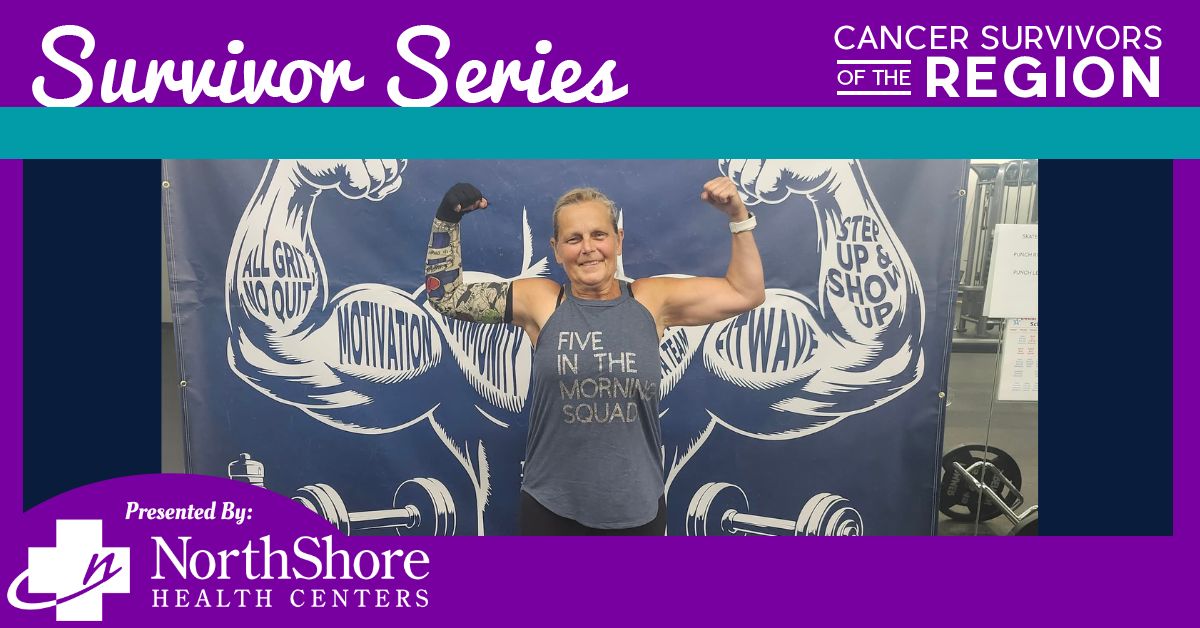
Outside of advocacy, Davenport has found strength and community through fitness. Now in her second year of attending 5 a.m. gym classes, she says the close-knit group of about eight women — complete with matching “5 in the Morning Squad” shirts and regular dinners and outings — has become an important source of therapy and laughter.
“Those girls are the best therapy I could ask for; I laugh ‘til I cry,” she said.
