Center for Hospice Care hosts Camp Evergreen to help grieving youth find healing in nature

- By: Alyssa Chartrand
- Last Updated: April 16, 2026






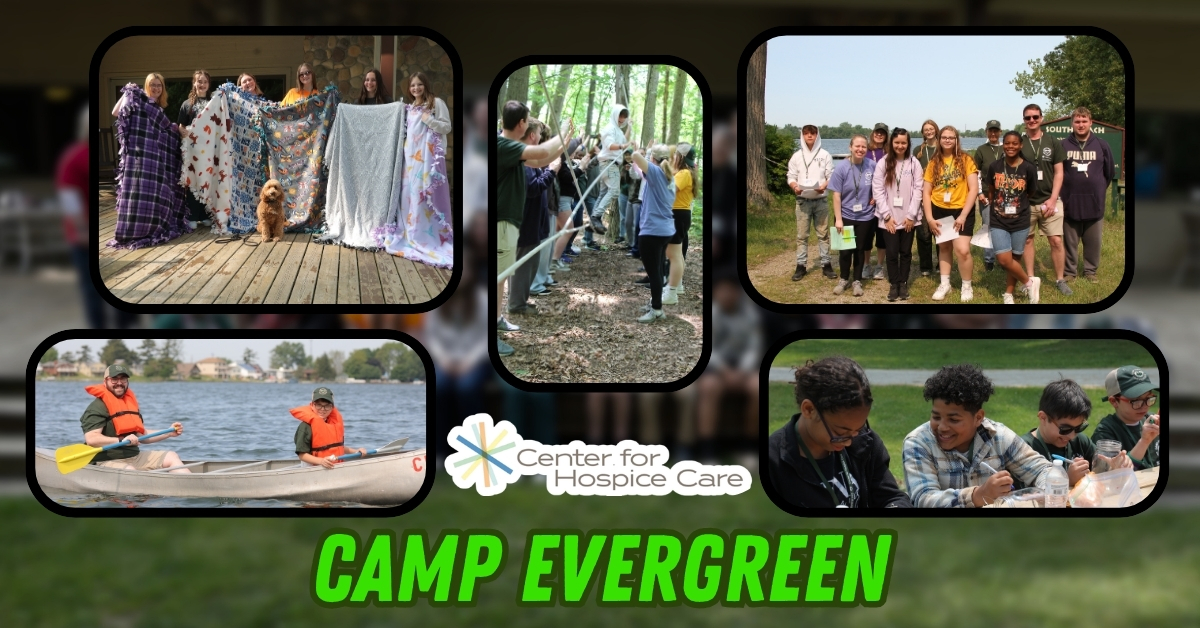
Northern Indiana’s longest-standing youth grief camp bypasses the counselor’s couch in favor of zip lines and nature trails. Now in its 33rd year, Center for Hospice Care’s Camp Evergreen provides an approachable entry point for youth who find traditional clinical therapy intimidating. By prioritizing physical activity, the program creates a space where campers can break the isolation of loss and eventually address their grief.
“I don’t think of grief work as a competitive space,” said Jamie Jacobs, manager of bereavement services and director of Camp Evergreen, “Rather, there are always enough people who need the services, and there are a variety of services that help serve people at different levels when they need it.”
Camp Evergreen is rooted in the biology of the evergreen tree, which teaches participants that life and loss are part of a continuous cycle of nourishment. This philosophy aims to transform the pain of loss into a foundation for resilience and to highlight memories as a source of strength.
“The needles stay green all year, and when they start to die off, they fall into the ground and nourish the tree,” Jacobs said. “It’s this symbolism that shows when people in your life die, they are not gone from your life. They nourish your life.”
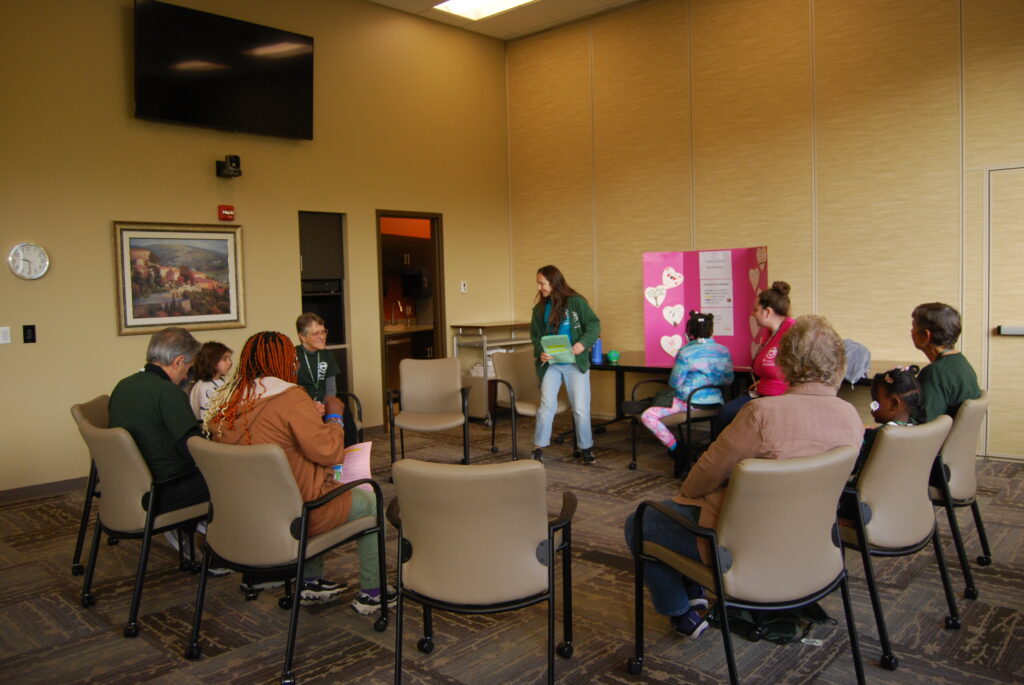
The Linda Lloyd Mission Endowment funds two free Evergreen sessions designed for specific developmental needs. On Saturday, May 30, youth ages 10 to 17 can participate in a day-long camp at Camp Alexander Mack in Milford, which blends high-energy recreation with staff-led healing circles. On Saturday, October 3, children ages 6 to 12 and their guardians can attend a family workshop on the Mishawaka campus to learn bonding and emotion regulation skills.
“We started a family camp where we continue to adapt to the needs of the community, “Jacobs said. “It has flourished with our small staff and all of our volunteers, who usually have experienced some sort of loss themselves. It is a great way for them to give back.”
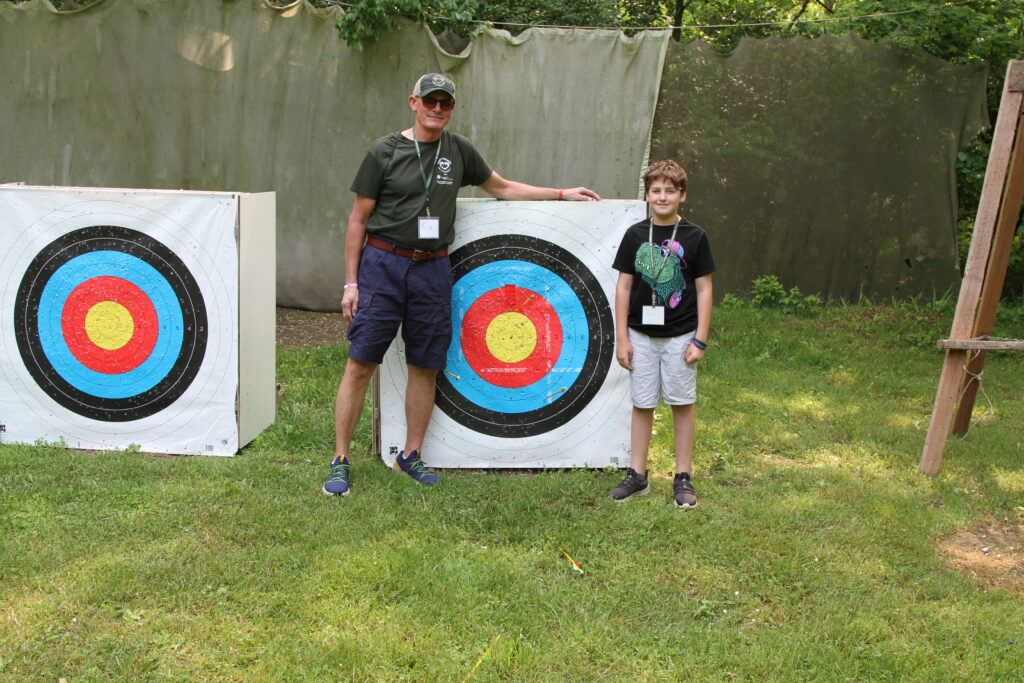
A typical day begins with icebreakers to spark quick connections before moving into high-energy recreation and therapeutic rotations. These sessions, ranging from team-building challenges to crafting memory lanterns, allow campers to share their stories and develop coping skills. The experience culminates in a ritual of remembrance. The participants will attach feathered messages to a newly planted tree to create a living monument to their lost loved ones.
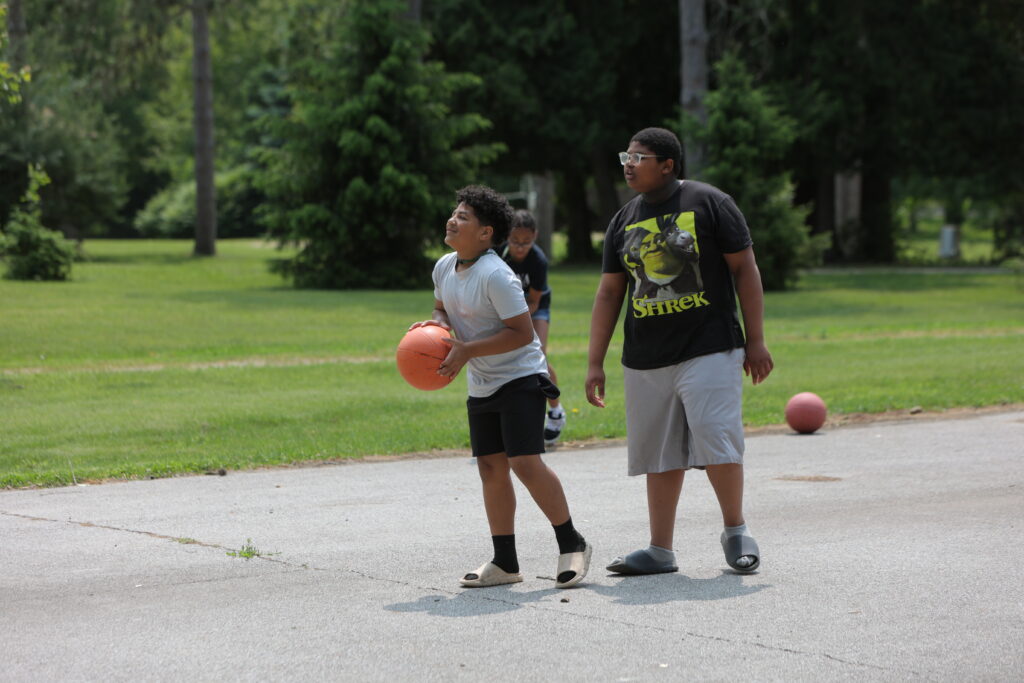
“When we can be out in nature with them, it opens them up to each other and to the experience a lot quicker than if we were sitting in a circle in a building,” Jacobs said. “The outdoors has been beneficial to us to build that rapport. The counselors intertwine team-building activities that mirror different grief experiences.”
Camp Evergreen volunteers combat the isolation of childhood grief through a color-coded wristband system that identifies the specific nature of each participant’s loss. This visual tool fosters immediate connection among peers and the volunteers who sustain the program. Some of these volunteers are former campers who return as adults to participate in a giving system that allows the camp to evolve alongside the community’s needs.
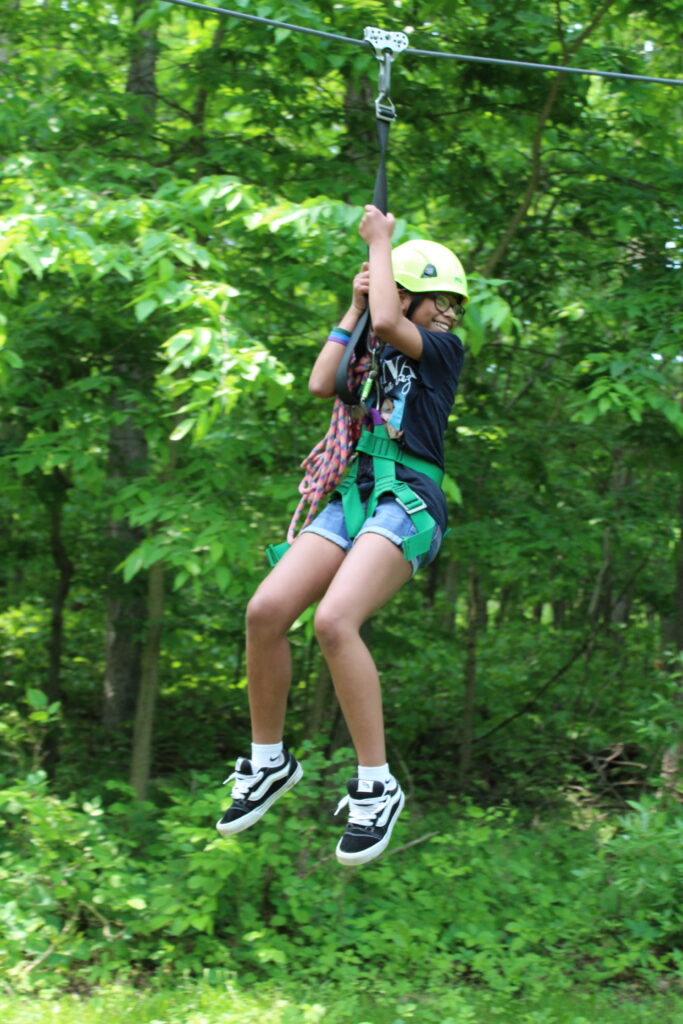
“Everyone has these bracelets with different colors, so it’s also connecting them to the adults and to each other,” Jacobs said. “We’re all connected with our losses, and we’re not alone in this. Even if we’re not talking about it, we can look at someone’s wrist and know they’ve lost a parent or sibling, too.”
Center for Hospice Care understands that a “grief camp” label can intimidate hesitant children. Camp Evergreen overcomes this hurdle by using shared activities to shift perspective and promote long-term healing. As grieving kids realize they are not alone in their experiences, a potentially daunting day transforms into a cornerstone of emotional recovery.
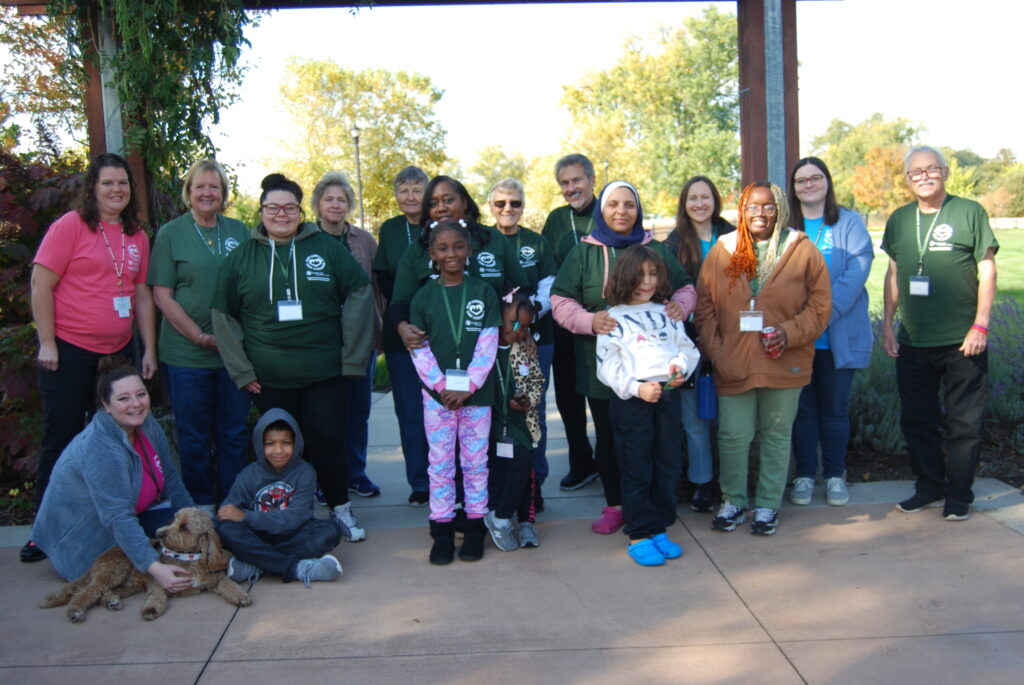
“The one thing I wish more people knew is that it’s worth the effort that you put in to convince someone to come,” Jacobs said. “We’ve had so many kids transformed by being here for a couple of hours. Once they see other kids their age and realize they are not alone, that ‘grief camp’ hurdle just disappears.”
Both Camp Evergreen sessions are offered at no cost, though advance registration is required. Families can register or learn more about volunteer opportunities by emailing Center for Hospice Care at evergreen@cfhcare.org or visiting cfhcare.org.
