Building Social Connections
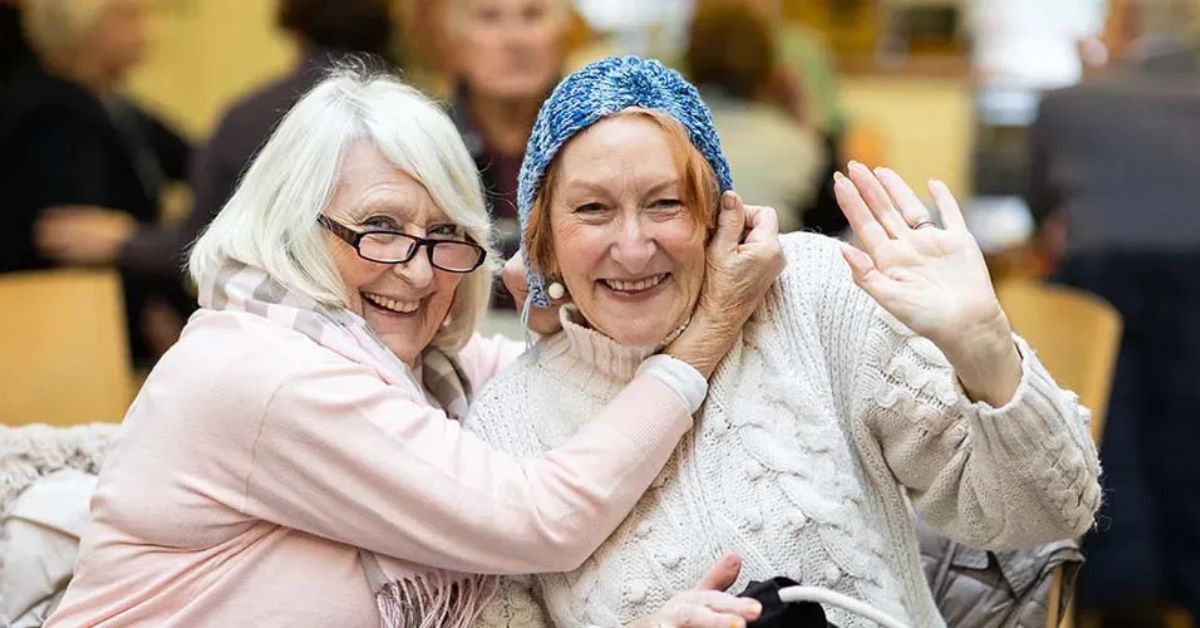
- By: CoAction
- Last Updated: August 27, 2025






You probably know that social engagement is one of the secrets to aging well and keeping up your cognitive health. New research shows that staying socially active actually increases your lifespan. Adults who are socially active tend to have better mental health, too. They’re less likely to be depressed.
How does being social give you a healthy edge? Part of the advantage stems from being physically active. Adults who are more social also tend to be more active.
Another part comes from having a lower biological age. Biological age refers to changes in body cells that occur gradually as we age. This aging can make us more susceptible to various diseases. Biological age is measured by physical measurements and markers in blood samples.
Adults who are socially active tend to be about 4 years younger in biological age, with a lower risk of illness and dying, said the researchers.
Did you know? Social interactions strengthen the body’s immune, hormonal, and cardiovascular systems, according to the researchers. This can reduce stress and build up your resistance to illnesses.
Among the most effective forms of being socially active were volunteer work, engaging with grandchildren, and participation in sports or social clubs, said the researchers.
About one-third of older adults report that they lack companionship “some of the time” or “often,” as summarized in the Journal of the American Medical Association. Closely related, many adults often feel lonely. Loneliness is feeling uncomfortable or sad about lacking social connections.
Both social isolation and loneliness are experienced by U.S. adults of all ages, says the CDC. “Social isolation and loneliness put a person at risk of developing serious mental and physical health conditions,” they add.
Loneliness increases the risk for dementia by 31%, says the National Institute on Aging. Interacting with others not only makes you feel good—being social also stimulates your mind, keeping it strong.
For adults who want to stay socially connected, what gets in the way? Here are some common challenges:
If you feel you are missing out on the benefits of staying social, consider making a plan. Here are some ideas:
As you think about your own situation, you may have more ideas. Whatever works for you to build connections is ideal. Staying connected with others helps sustain your health and happiness. Sometimes it takes effort, and the effort will pay off in wellness.